
The concept of smart cities is transforming urban living as we know it. By leveraging the power of the Internet of Things (IoT) and Artificial Intelligence (AI), these modern cities aim to enhance sustainability, efficiency, and the overall quality of life for their inhabitants. Let’s explore how IoT and AI are reshaping urban landscapes and making cities more livable.
What Are Smart Cities?
Smart cities are urban areas that use digital technology to optimize resources, improve infrastructure, and provide data-driven solutions to everyday challenges. By integrating IoT devices and AI systems, these cities can gather and analyze vast amounts of data, enabling better decision-making and more efficient urban management.
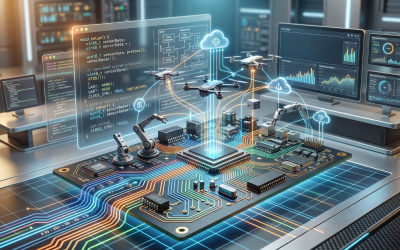
For instance, IoT sensors can monitor air quality, traffic patterns, and energy usage, while AI algorithms interpret this data to suggest actionable improvements. Together, these technologies pave the way for smarter, greener, and more connected cities.
Key Benefits of Smart Cities
1. Improved Transportation and Mobility
Traffic congestion is a significant challenge for urban dwellers. Smart cities employ IoT-enabled traffic sensors and AI-driven traffic management systems to optimize the flow of vehicles. Adaptive traffic lights, real-time updates for public transport, and predictive maintenance for roads ensure smoother commutes.
2. Enhanced Energy Efficiency
IoT-enabled smart grids monitor energy consumption in real-time, allowing cities to allocate energy where it’s needed most. AI systems further analyze consumption patterns to suggest ways to reduce waste and promote renewable energy use.
3. Better Waste Management
With IoT-enabled waste bins that signal when they’re full, cities can optimize waste collection routes, saving time and reducing fuel consumption. AI tools can also help in sorting and recycling processes, minimizing environmental impact.
4. Strengthened Public Safety
IoT devices like smart cameras and AI-driven analytics enhance public safety by detecting and responding to incidents more efficiently. This can include everything from identifying suspicious activities to managing emergency responses.
How ADUK Contributes to Smart City Development
At ADUK, we specialise in creating innovative IoT and AI solutions tailored to the unique needs of smart cities. Our expertise lies in developing advanced sensor systems, AI algorithms, and connected devices that enable cities to operate more efficiently and sustainably.
For example, our IoT-enabled solutions can monitor critical urban infrastructure like bridges and roads, ensuring timely maintenance and reducing the risk of accidents. Additionally, ADUK’s AI-driven tools provide actionable insights, empowering city planners to make data-informed decisions.
Challenges to Overcome
While the potential of smart cities is immense, challenges remain. Data privacy concerns, the high cost of implementation, and the need for robust cybersecurity are critical issues that must be addressed. At ADUK, we are committed to overcoming these challenges by prioritizing data security and developing cost-effective solutions.
Looking Ahead: The Future of Smart Cities
The future of urban living is undoubtedly smart. As IoT and AI technologies continue to evolve, the possibilities for enhancing urban environments are endless. From autonomous public transportation to fully integrated citywide systems, smart cities promise a more sustainable and livable future.
At ADUK, we are proud to be part of this transformation, offering cutting-edge solutions that make a tangible difference in urban spaces.
Ready to Build the Future Together?
If you’re looking to integrate IoT and AI technologies into your urban projects, ADUK is here to help. Contact us today to discuss how we can bring your smart city vision to life.