Bringing a hardware product to life is exciting — but without the right prototyping strategy, it’s easy to fall into traps that drain your budget, delay your timeline, and compromise your product vision.
At ADUK, we’ve helped hardware startups and enterprises prototype everything from IoT devices to advanced embedded systems. We’ve seen what works — and what doesn’t. Here are some key lessons to help hardware founders and product managers avoid costly mistakes when developing their prototypes.
1. Don’t Skip the Discovery Phase
Before jumping into building a prototype, spend time deeply understanding the problem you’re solving. It’s tempting to start building right away, but without clear product goals, user needs, and technical constraints, you risk iterating blindly. A solid discovery phase ensures your prototype serves the right purpose.
Tip: Use low-fidelity sketches, user interviews, and technical feasibility assessments before touching any hardware.
2. Choose the Right Prototype for the Right Stage
Prototyping is not a one-size-fits-all process. Depending on your stage, you might need:
- Concept Prototypes for testing form factor and user interaction
- Functional Prototypes to validate core technologies
- Pre-production Prototypes for testing manufacturability and compliance
Knowing what you’re validating at each stage helps prevent overspending on unnecessary complexity too early.
3. Modular Design = Faster Iteration
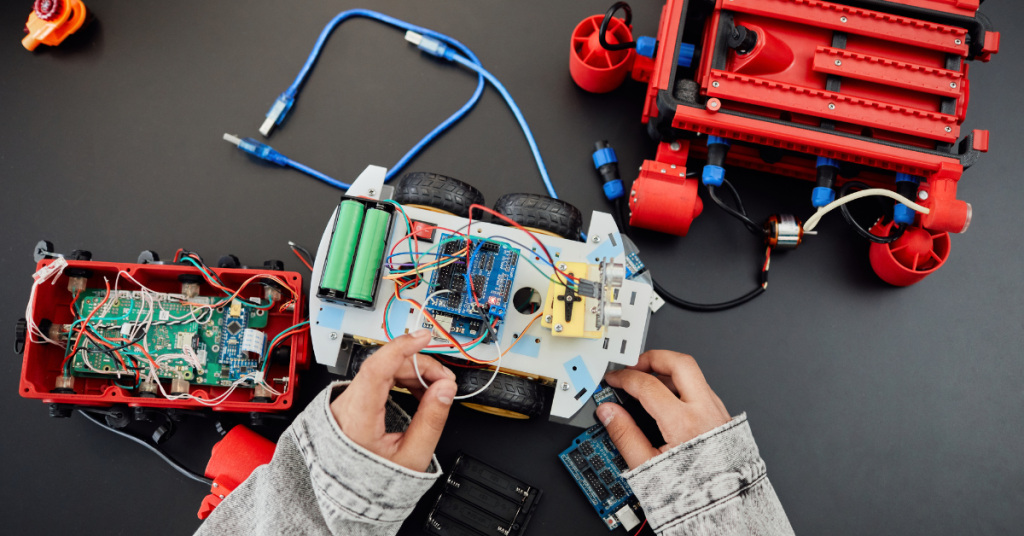
Design your prototype in modular blocks — firmware, sensors, power, communication, etc. — so you can replace and iterate on parts without starting from scratch. Modular design saves time, cuts costs, and allows parallel development.
4. Test Early, Test Often
Real-world testing is non-negotiable. Too often, teams wait until the prototype feels “finished” before validating it with users or in real environments. By then, it’s expensive to pivot. At ADUK, we recommend starting user feedback and technical stress testing as soon as the first version is in hand.
5. Partner with Experts Who’ve Been There
Hardware is hard. Every wrong connector, unstable voltage regulator, or poorly shielded circuit adds to the delay and cost. Working with an experienced prototyping partner like ADUK means getting access to proven expertise in embedded design, manufacturing constraints, and rapid iteration. We help you avoid common pitfalls and focus on building a product that works — from the first prototype to production-ready design.
Ready to Build Smarter Prototypes?
If you’re a hardware founder or product manager preparing your next prototype, don’t go it alone. Get in touch with ADUK to learn how our rapid prototyping services can save you time, reduce risk, and help you launch with confidence.
👉 Contact us now to discuss your project.