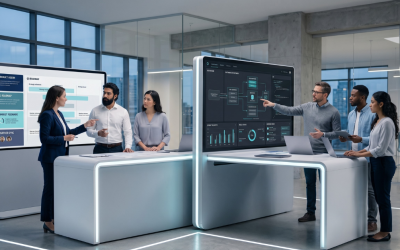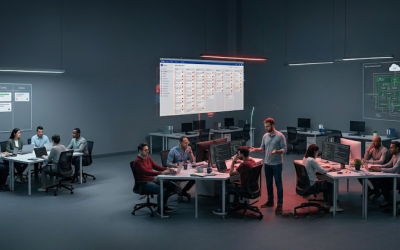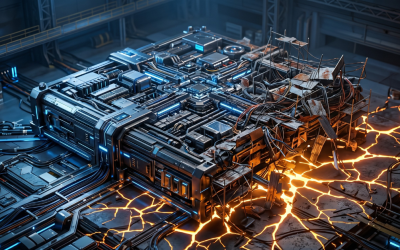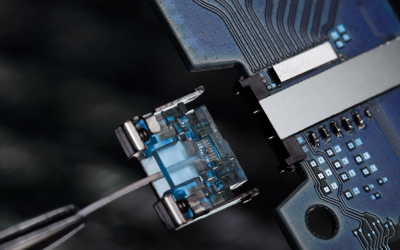
In an era where technology moves faster than ever, many businesses still rely on legacy hardware systems that were designed decades ago. These systems may have been state-of-the-art at the time, but today they often pose serious limitations when it comes to scalability, performance, and integration with modern solutions.
Modernising legacy systems is no longer just an option — it’s a necessity for staying competitive and secure. At ADUK, we’ve helped numerous companies update and transform their hardware infrastructures while preserving the core functionalities that keep their businesses running.
Why Modernise Legacy Hardware?
Legacy hardware systems can become a bottleneck for innovation. As components age and support becomes scarce, maintenance costs rise and the risk of failure increases. Moreover, older systems often struggle to interface with modern software or IoT networks, limiting opportunities for data-driven decision-making and automation.
By modernising your legacy systems, you can:
- Improve system performance and reliability
- Enable compatibility with new technologies
- Reduce operational and maintenance costs
- Strengthen security and compliance
Explore how ADUK’s Embedded Hardware Development services can help you upgrade your legacy systems efficiently and cost-effectively.
Real-World Challenges (and Solutions)
Modernisation doesn’t come without its hurdles. Every project is unique, but common challenges include:
- Incomplete or outdated system documentation
- Custom-built or proprietary components
- Integration with third-party systems still in use
- Limited downtime windows for system replacement
The key is to take a phased and strategic approach. ADUK often begins by analyzing the existing system, identifying its critical components, and determining which elements can be reused, upgraded, or replaced. From there, we help our clients design and implement solutions that strike the right balance between innovation and stability.
In one project, we worked with an industrial client whose machine control systems were running on outdated boards. Instead of rebuilding everything from scratch, we redesigned the core modules to use modern microcontrollers while preserving the rest of the architecture. This saved costs, reduced risk, and extended the system’s life by another decade.
Best Practices for a Successful Modernisation Project
- Start with a technical audit
Understand exactly what you have and where the limitations lie. - Define clear modernization goals
Are you aiming for performance improvements, integration capabilities, or cost reduction? - Work with an experienced partner
Legacy hardware modernization is a specialized field — make sure you’re working with engineers who’ve done it before. - Test and simulate
Before any hardware goes live, test thoroughly in a simulated environment to avoid unexpected issues. - Plan for the future
Design your updated system with flexibility and scalability in mind.
Conclusion
Legacy hardware systems don’t have to be a dead end. With the right approach and technical expertise, you can modernise your infrastructure, enhance system performance, and pave the way for future innovation — all without losing what already works.At ADUK, we’re passionate about helping companies bridge the gap between old and new. Whether you need a full overhaul or a targeted upgrade, our team can guide you every step of the way.