The Internet of Things (IoT) has rapidly transformed how we interact with the world, connecting devices, systems, and people in ways that were once science fiction. From smart thermostats to industrial sensors, IoT offers unprecedented convenience and efficiency. However, despite its promising potential, developing IoT solutions is far from straightforward. Many companies underestimate the complexity involved, leading to delayed projects, overspending, or even failed deployments.
Here are three things that make IoT development harder than most people think.
1. Hardware Constraints and Integration Issues
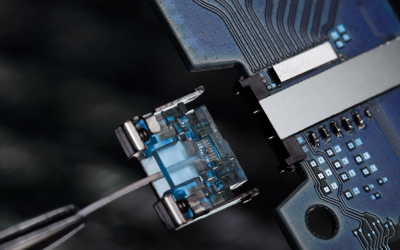
Unlike traditional software projects, IoT development must consider physical hardware limitations. Sensors, processors, batteries, and network modules all have specific requirements that can drastically affect a product’s performance.
For instance, battery life is a critical constraint. A device that consumes too much power will require frequent charging or battery replacements, which can reduce user adoption. Similarly, integrating multiple sensors into a compact device often leads to unexpected interference or calibration challenges.
IoT developers also need to consider environmental factors. Devices may need to operate in extreme temperatures, high humidity, or dusty conditions—factors that can affect both reliability and safety. Designing hardware that withstands such conditions while remaining cost-effective is a fine balance.
2. Security and Privacy Challenges
Security is perhaps the most underestimated challenge in IoT development. Every connected device represents a potential entry point for cyberattacks. Weak encryption, poor authentication, or unpatched firmware can leave devices vulnerable.
Privacy concerns add another layer of complexity. IoT devices often collect sensitive user data—from health metrics to location information. Developers must ensure compliance with regulations such as GDPR or CCPA, which requires careful planning around data storage, anonymisation, and user consent.
Companies like ADUK emphasise security-first design in their IoT solutions. Implementing end-to-end encryption, secure boot processes, and over-the-air updates are just some of the measures needed to keep devices safe.
3. Software Complexity and Maintenance
Developing IoT software is not just about writing an app—it involves creating a robust ecosystem of devices, firmware, cloud infrastructure, and user interfaces. Each layer must communicate seamlessly while remaining flexible enough to support updates and scaling.
Firmware development is particularly challenging. Devices often run on constrained hardware, so code must be highly efficient and error-free. Bugs or memory leaks can lead to device malfunctions that are difficult to troubleshoot remotely.
Cloud integration adds another dimension. IoT devices generate enormous amounts of data that must be securely transmitted, processed, and stored. Ensuring smooth interoperability between cloud services and hardware, while maintaining performance and reliability, can be a daunting task.
Finally, maintenance is a long-term commitment. Devices require updates, patches, and ongoing support long after launch. Overlooking maintenance planning can lead to devices becoming obsolete or insecure, even if they worked perfectly at launch.
Conclusion
IoT development is often glamorised in the media, but the reality is far more challenging. Hardware limitations, security and privacy issues, and software complexity all contribute to making IoT projects far more demanding than anticipated. Companies like ADUK demonstrate that careful planning, a focus on security, and an integrated approach to hardware and software are essential for successful IoT solutions.
By understanding these hidden challenges, developers and businesses can better prepare for the realities of IoT, delivering smarter, safer, and more reliable connected products.